
Sales Enablement for Selling Immersive Experiences: A Guide for Retail, Tourism & Virtual Events
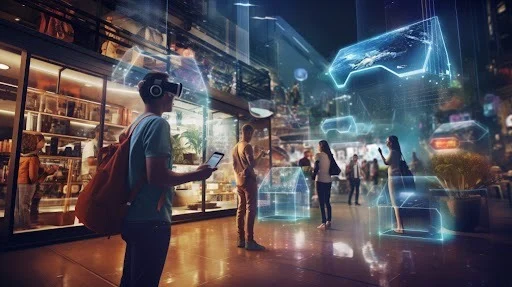
Let’s be honest. Selling a product is one thing. You can list specs, show photos, quote a price. But how do you sell a feeling? How do you sell the rush of exploring a virtual jungle, the awe of a historical site brought to life, or the electric connection of a global concert from your living room?
That’s the unique challenge—and opportunity—facing teams selling immersive experiences today. Whether it’s VR retail try-ons, AR-enhanced tourism packages, or full-blown virtual event platforms, the old sales playbook is gathering dust. You need a new one. You need sales enablement built not for widgets, but for worlds.
Why Traditional Sales Tactics Fall Flat
Here’s the deal. A standard sales deck with bullet points about “cutting-edge technology” and “engagement metrics” just doesn’t translate. The buyer can’t touch, see, or feel the value. It’s abstract. The friction is immense because you’re asking them to buy into a concept their spreadsheet might not immediately understand.
The pain point is visceral. A retail manager needs to see how a virtual fitting room reduces returns, not just hear about “immersive tech.” A tourism director needs to feel the potential wonder of an AR historical tour to justify the budget. Your sales team is left trying to describe a color no one has seen. That’s a tough spot.
The Pillars of Immersive Sales Enablement
So, what does work? Effective sales enablement for immersive experiences rests on three core pillars. Think of them as the foundation for building trust and closing deals in a market that’s still, well, forming.
1. Experience-First Content & Tools
Forget PDFs. Honestly. Your primary enablement tool must be the experience itself, or a compelling slice of it.
- Lightweight Demos & Pilots: Create 60-second VR/AR demos prospects can access via a simple link or QR code. No heavy hardware required initially—let them use their phone or browser.
- Scenario-Based Case Studies: Don’t just list client names. Tell the story. “How a Museum Increased Dwell Time by 40% with an AR Scavenger Hunt” is a narrative that sticks.
- Interactive ROI Calculators: Build tools that let a prospect input their own numbers—like average footfall or current ticket price—and see the potential lift from an immersive layer.
2. Storytelling & Narrative Training
Your sales reps need to become master storytellers. They’re not selling software; they’re selling a doorway. Training should focus on:
- Sensory Language: Coach them to use words that evoke senses. “Imagine the sound
- Problem-Framing: Help prospects visualize their own customer’s journey—and the gaps in it. “Are visitors walking past that exhibit without understanding its significance? What if it could… speak to them?”
- Objection Handling for the Unfamiliar: Role-play responses to “It’s too futuristic for our audience” or “The tech seems complicated.” Arm reps with analogies to once-novel tech like online booking or contactless payment.
3. Data That Tells a Human Story
Yes, data matters. But it must be the right kind. Vanity metrics like “number of VR headsets sold” are useless. You need data that proves emotional and business impact.
| Metric to Highlight | What It Tells Your Prospect |
| Dwell Time / Engagement Duration | People are choosing to spend more time in the experience (and with the brand). |
| Emotional Sentiment Analysis | Post-experience surveys showing joy, surprise, or awe—qualitative proof of impact. |
| Conversion Lift (e.g., try-on to purchase) | Direct line to revenue in retail, or higher ticket sales in tourism/events. |
| Reduction in Physical Sample Costs | Tangible cost-saving for retail or event venue planning. |
Sector-Specific Nuances: Tailoring the Approach
While the pillars are universal, the application shifts. A one-size-fits-all approach here is a sure path to mediocre results.
Retail: Selling Confidence & Reducing Friction
In retail, the immersive experience is often a bridge to a tangible product. Enablement must focus on practical outcomes. Reps should lead with pain points: returns, sizing uncertainty, online cart abandonment. The story isn’t “cool tech,” it’s “confidence to click ‘buy’.” Demos must be frictionless—think web-based 3D product viewers over complex VR setups.
Tourism & Hospitality: Selling Memory-Making
This is all about aspiration and memory. Sales enablement here equips reps to sell a preview of a dream. Tools could include 360-degree videos of a hotel view at sunset, or an AR overlay showing what a historical site once looked like. The narrative is emotional: “Don’t just visit. Be transported.” Data points shift to premium package uptake and increased off-season bookings.
Virtual & Hybrid Events: Selling Scale and Connection
The pitch here battles “Zoom fatigue.” Enablement must help reps sell the opposite: energy, networking, and unexpected moments. Training should emphasize how the platform facilitates human connection at scale—spontaneous lobby chats, interactive session polls, virtual “room-hopping.” Case studies should highlight global reach and attendee satisfaction scores that rival in-person events.
The Human Element: Your Ultimate Sales Tool
Amidst all this tech, never forget the core ingredient: genuine human enthusiasm. A rep who is authentically excited about the worlds they’re selling becomes the most credible proof point. Encourage them to share their own “wow” moments from the demo. That authentic stumble of “Wait, you have to see this part…” can be more powerful than a polished script.
Because in the end, you’re not just enabling a sales process. You’re enabling imagination. You’re giving your team the license—and the tools—to paint a picture so vivid the prospect can’t help but step inside.
The future of sales in these sectors belongs to those who can make the intangible, tangible. Who can turn a value proposition into a visceral preview. It’s a tall order, sure. But get the enablement right, and you’re not just closing deals. You’re opening doors.


