
The Role of Micro-Influencers in Niche B2C Marketing
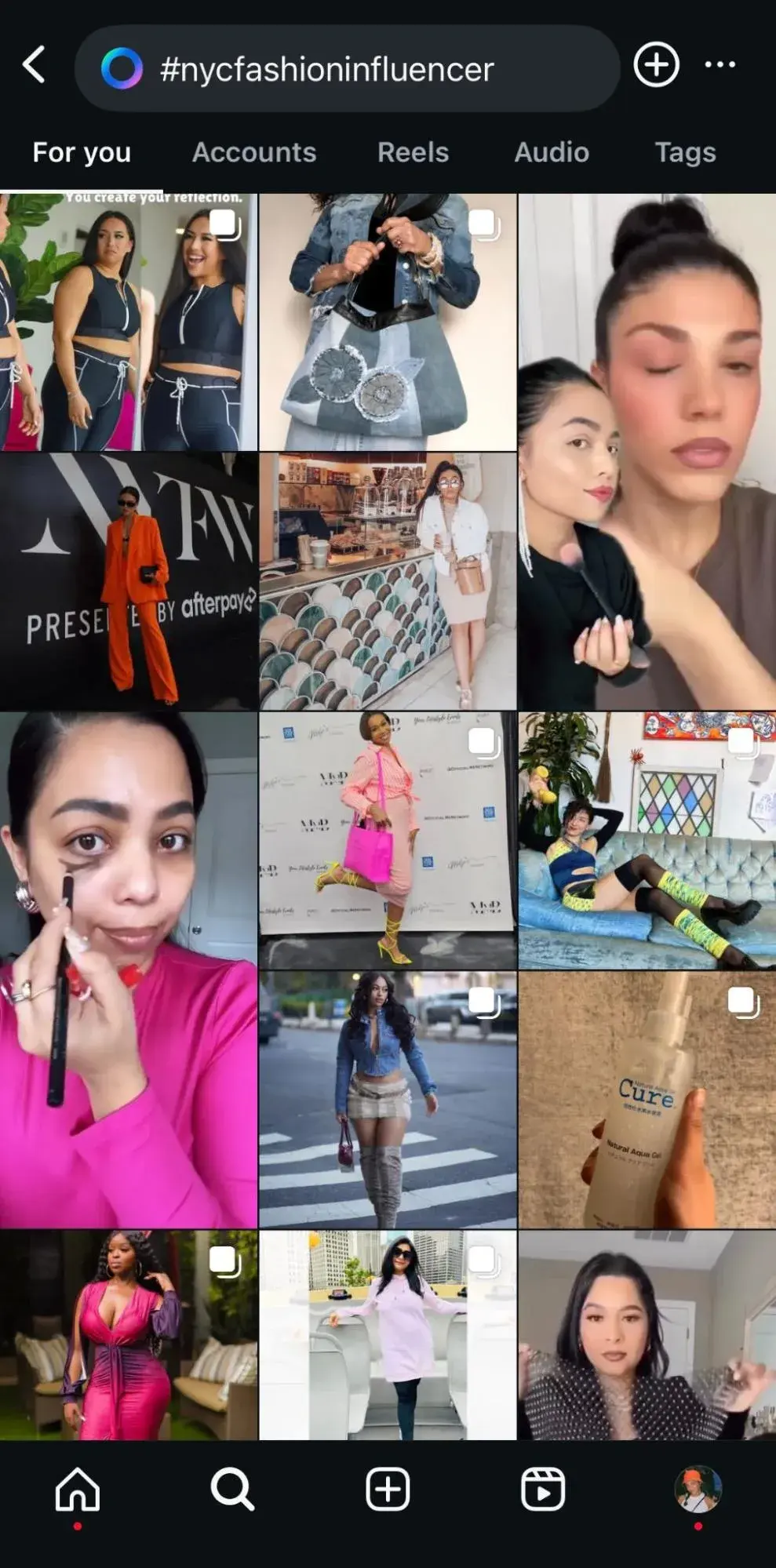
Let’s be honest for a second. Big-name influencers? They’re like the Hollywood stars of the internet. Flashy, expensive, and honestly… a little out of touch. Sure, they get millions of views. But when was the last time you bought a product just because Kim Kardashian held it up for three seconds? Probably never. That’s where micro-influencers come in. They’re the friendly neighbor, the trusted coworker, the person whose recommendation actually sticks. And for niche B2C marketing? They’re basically gold.
Wait… What Exactly Is a Micro-Influencer?
Well, here’s the deal. Micro-influencers are content creators with anywhere from 1,000 to 100,000 followers. Sounds small, right? But that’s the whole point. They don’t have massive, faceless audiences. They have communities. Real people who comment, share, and actually trust what they say. Think of them as the boutique shop on a street full of Walmarts. Less foot traffic, sure — but every single visitor walks in ready to buy.
And in niche B2C marketing? That’s a game-changer. Because when you’re selling something specific — like vegan leather backpacks, or artisan coffee beans from a single farm in Colombia — you don’t need millions of eyeballs. You need the right eyeballs.
Why Micro-Influencers Crush It in Niche Markets
Okay, so let’s break this down. Why do micro-influencers work so well for niche B2C? It’s not just about the numbers. It’s about the vibe. The connection. The fact that they actually use the products they promote — and their audience knows it.
1. Trust Is the New Currency
Here’s a stat that might blow your mind: according to a 2023 survey, 82% of consumers are likely to follow a recommendation from a micro-influencer. Compare that to just 52% for celebrities. Why? Because micro-influencers feel real. They reply to comments. They share their messy kitchen counters. They admit when a product didn’t work for them. That authenticity? You can’t fake it. And in a niche market — say, eco-friendly baby products — trust is literally everything. Parents don’t want a sales pitch. They want a friend who’s been there.
2. Higher Engagement, Lower Noise
It’s a simple math problem. A macro-influencer with 2 million followers might get 10,000 likes. That’s a 0.5% engagement rate. A micro-influencer with 10,000 followers? They might get 800 likes — that’s 8%. And those likes? They come from people who actually care. People who ask questions in the comments. People who tag their friends. That kind of engagement is marketing gold for niche B2C brands. It’s not just noise; it’s conversation.
3. Cost-Effective — Without Feeling Cheap
Let’s talk money. A single post from a celebrity influencer can cost $10,000 or more. A micro-influencer? You’re looking at $100 to $500 per post. Sometimes even free product is enough. But here’s the thing — it doesn’t feel cheap. Because the content is often more creative, more personal, and way less polished. That rawness actually adds value. For a niche brand selling handcrafted leather journals, a grainy Instagram story of someone actually writing in the journal? That’s worth more than a glossy ad.
How to Find the Right Micro-Influencers (Without Losing Your Mind)
So you’re sold on the idea. But how do you actually find these people? It’s not like they wear a badge. You gotta dig a little. Here’s a quick roadmap:
- Start with hashtags — Search for terms like #veganleather or #smallbatchcoffee. Look for accounts with consistent, engaged followers.
- Check their “likes to comments” ratio — If they have 5,000 likes but only 3 comments? Red flag. Real engagement means real conversations.
- Look for overlap — Does their audience match your target demographic? A micro-influencer who posts about fitness might not be right for selling artisanal cheese. Well… unless they’re a cheese-loving fitness freak. You never know.
- Use tools (but don’t rely on them) — Platforms like Upfluence or Heepsy can help, but nothing beats scrolling through their feed and getting a gut feel.
Honestly, the best micro-influencers are often the ones who already love your brand. They’re out there, posting about your product without being asked. Find them. Nurture them. That’s the real hack.
Real-World Examples (Because Theory Is Boring)
Let’s look at a couple of brands that nailed this. Take Death Wish Coffee. They sell ultra-caffeinated coffee to a very specific audience: people who think regular coffee is for babies. They partnered with micro-influencers in the extreme sports and night-shift worker communities. These weren’t coffee snobs — they were tattooed rock climbers and nurses pulling double shifts. The result? A cult following. No celebrity needed.
Or consider Bombas, the sock company. They targeted micro-influencers in the hiking and travel niche. People who actually wear their socks for 12-hour treks. The influencers shared photos of muddy, worn-in socks — not perfect product shots. And it worked. Because the audience saw real use, not a staged ad.
But Wait — There Are Pitfalls
Look, I’m not gonna pretend it’s all sunshine and engagement rates. There are challenges. Micro-influencers can be flaky. They might not have the best production quality. And sometimes… they just disappear. One day they’re posting daily, the next they’re off the grid. That’s the risk you take.
Also, scaling is hard. You can’t manage 50 micro-influencers the same way you’d manage one big campaign. It takes time, patience, and a lot of DMs. But for a niche B2C brand? The ROI often outweighs the hassle. You just have to be willing to play the long game.
Measuring Success: Beyond the Vanity Metrics
So how do you know if it’s working? Don’t just look at likes. Look at actions. Use trackable links, promo codes, and UTM parameters. Here’s a simple table to keep you honest:
| Metric | What It Tells You | Why It Matters for Niche B2C |
|---|---|---|
| Engagement rate | How much people interact | High engagement = strong community trust |
| Click-through rate | How many people visit your site | Shows if the audience is actually interested |
| Conversion rate | How many people buy | The ultimate test for niche products |
| Sentiment in comments | Are people excited or skeptical? | Positive vibes = brand loyalty |
And hey, don’t ignore the qualitative stuff. Sometimes the best result is a customer who says, “I found you through [influencer name] and I’m never switching brands.” That’s the kind of loyalty you can’t buy with a bigger budget.
The Future of Micro-Influencers in Niche B2C
Honestly? It’s only going to grow. As social media algorithms get smarter, they’re pushing content from smaller creators more and more. People are tired of polished, fake perfection. They want real. And for niche B2C brands — whether you’re selling gluten-free snacks or custom dog collars — micro-influencers are the bridge to that reality.
We’re also seeing a rise in “nano-influencers” (under 1,000 followers). Some brands are skipping the middle tier entirely and going straight to the hyper-local, hyper-specific creators. It’s a trend worth watching. Because in a world of noise, the quietest voices often carry the most weight.
Final Thoughts (No Sales Pitch, Promise)
Micro-influencers aren’t a magic bullet. They’re not going to make your brand go viral overnight. But what they will do is build something more valuable: a foundation of trust. A community that actually cares. And in niche B2C marketing, that’s the difference between a one-time buyer and a lifelong customer.
So go ahead. Find that person who’s already obsessed with your product. Reach out. Be human. Let them tell your story in their own words. Because sometimes… the smallest voices echo the loudest.


