
Metaverse Commerce: The Next Frontier for Traditional Retailers
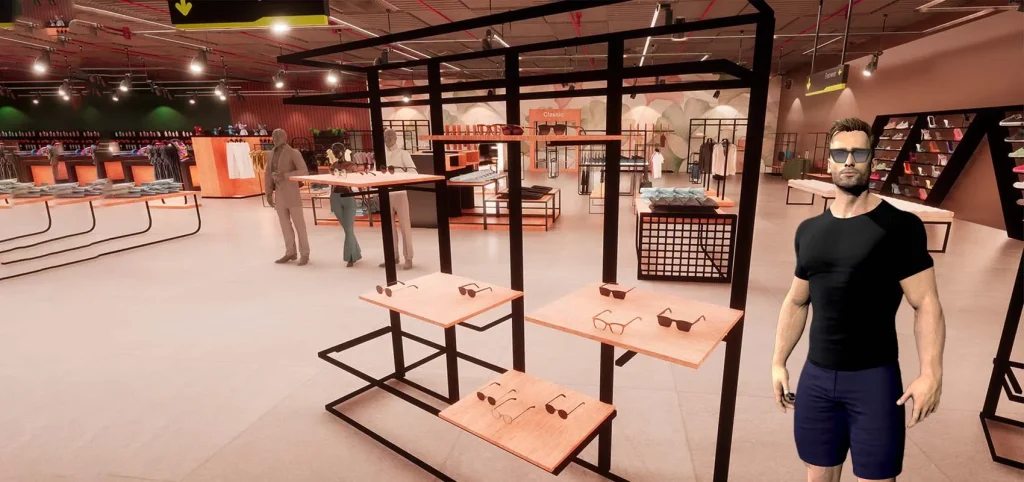
Let’s be honest. The retail landscape has been, well, a rollercoaster. You’ve navigated e-commerce, weathered the social media shopping wave, and maybe even dabbled in livestream selling. But here comes the next big thing—or is it? The metaverse. It sounds like science fiction, a realm for gamers and tech elites. But look closer. For traditional retailers, it’s not about escaping reality. It’s about extending it. It’s a new layer of commerce, ripe with opportunities that feel both strange and strangely familiar.
Think of it this way: if your website is your digital brochure, and your store is your physical home, the metaverse is your interactive, global flagship. A place where imagination is the only limit to how you engage customers. The question isn’t really “if,” but “how” to start exploring. So, let’s dive into the tangible metaverse commerce opportunities waiting for traditional retailers.
Beyond the Hype: What Metaverse Commerce Actually Means
First, a quick sense-check. The metaverse isn’t one single app. It’s a constellation of interconnected virtual spaces—think platforms like Decentraland, Roblox, or immersive VR experiences. Commerce here means selling digital goods, physical products, or unique experiences within these environments. It’s commerce, but unshackled from physics. You can sell a digital outfit for an avatar, then have that same avatar “try on” and order the real-world version to their doorstep. Mind-bending? Sure. But the potential is massive.
The Core Opportunities: Where Retailers Can Play
1. Virtual Storefronts & “Phygital” Showrooms
This is the most direct parallel. Instead of renting mall space, you lease or build a virtual plot. Here, you can create impossible architecture—a clothing store floating in a nebula, a furniture showroom inside a giant tree. The cost? Often far less than prime physical real estate.
The real magic is in the “phygital” link. A customer’s avatar can walk in, see a 3D model of your latest sofa, change the fabric with a click, and then place an order for the actual item to be delivered. You’re not just displaying a product; you’re creating a memorable, shareable brand experience that bridges worlds.
2. Digital Fashion & Avatar Assets
This is a booming market. People spend real money to customize their digital selves. For a fashion retailer, this is a zero-inventory, high-margin test lab. You can release a limited-edition digital-only sneaker line. No manufacturing, no shipping, just pure design and brand expression.
It lets you attract a younger, digitally-native audience and see what styles resonate before committing to physical production. Luxury brands like Gucci and Nike are already here, but there’s room for mainstream and niche retailers to claim their space.
3. Immersive Events & Community Building
Remember the struggle to drive foot traffic for an in-store event? In the metaverse, geography vanishes. You can host a virtual product launch with a celebrity avatar, a live concert in your virtual store, or an interactive workshop. The sense of shared presence—avatars gathering, chatting, experiencing something together—fosters a powerful community feeling that a 2D livestream just can’t match.
It turns passive customers into active participants. And that builds loyalty in a whole new way.
The Strategic Shift: New Ways to Think & Operate
Okay, so the opportunities sound cool. But how do you actually approach this? It requires a shift in mindset.
| Traditional Retail Mindset | Metaverse Commerce Mindset |
| Selling a product | Selling an experience or identity |
| Physical foot traffic | Global engagement metrics |
| Seasonal collections | Continuous digital drops & NFTs |
| One-way marketing | Co-creation with communities |
You’ll need new skills, too. Think about hiring or partnering with 3D designers, virtual world builders, and community managers who understand these unique spaces. Start small. Maybe it’s a single digital accessory, or a pop-up event in an existing platform. Test, learn, and iterate.
Real Challenges (And How to Navigate Them)
It’s not all easy, of course. The technology is evolving, and interoperability—using your digital item across different metaverses—is still a headache. Payment systems can be clunky, blending crypto and traditional finance.
And perhaps the biggest hurdle: justifying the ROI right now. The user base is growing but isn’t mainstream yet. So, frame early investments as R&D, brand innovation, and learning. The goal isn’t immediate massive sales; it’s establishing a presence, understanding the culture, and building for the future. It’s about future-proofing your brand.
First Steps for the Curious Retailer
Feeling overwhelmed? Don’t be. Here’s a simple, actionable path to start exploring metaverse commerce opportunities:
- Listen & Learn: Lurk on platforms like Roblox or Decentraland. See what brands are doing. Join relevant Discord channels. Understand the culture before trying to sell to it.
- Identify Your “Why”: Is it brand awareness with Gen Z? Is it creating a revolutionary new customer experience? Is it testing product concepts? Your objective guides everything.
- Partner Up: You likely don’t have the expertise in-house. Find a reputable metaverse development agency or a tech partner. Leverage their knowledge to avoid costly missteps.
- Launch a Focused Pilot: Choose one clear project. A digital fashion item. A virtual showroom for your top product line. A single, ticketed virtual event. Keep it contained and measurable.
- Bridge the Gap: Always, always link the virtual back to the real. Offer exclusive physical discounts to virtual attendees. Make digital collectibles unlock real-world perks. That connection is your unique advantage.
The metaverse isn’t a replacement for your store or website. It’s another channel, but one with profoundly different rules. It asks you to be more creative, more experiential, and more communal. For traditional retailers willing to experiment, it offers a chance to rewrite the rules of engagement, to tell richer brand stories, and to meet customers not just where they shop, but where they play, socialize, and imagine.
That’s the real opportunity. It’s less about building a store in a virtual world, and more about discovering what your brand can become when the only limit is, well, thought itself. The door is open. The architecture is yours to design.


